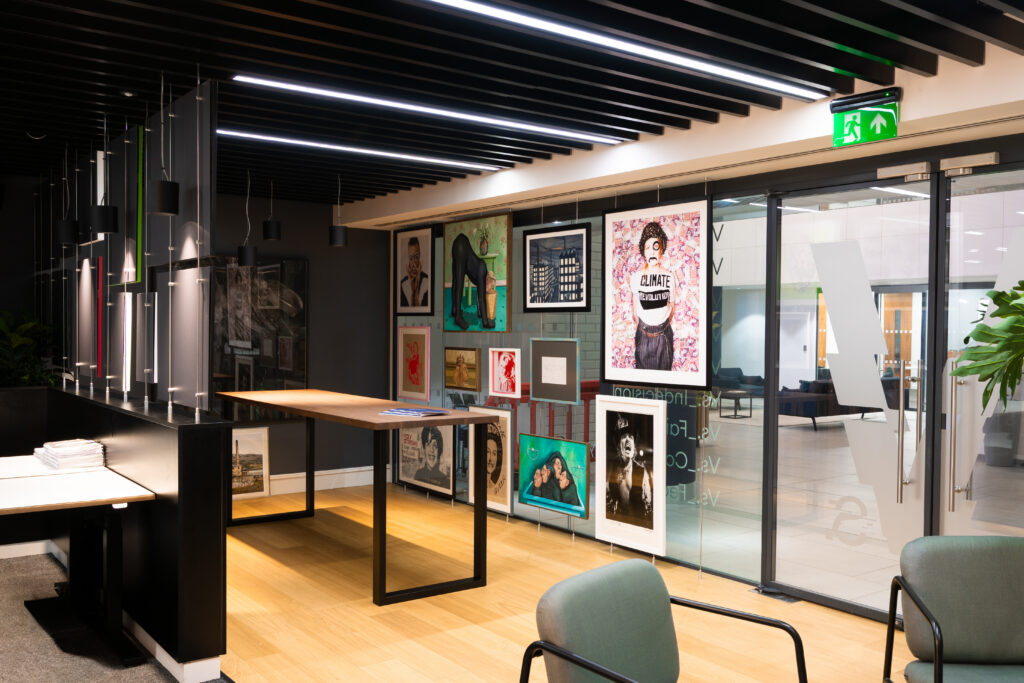
When the idea of a gallery first came up at Propaganda, the obvious thought was to fill it with great advertising: a celebration of the finest creative our industry has produced.
But that felt too literal.
Propaganda has been many things over more than three decades, but literal has never been one of them. A gallery of advertising would have shown people what we do. It wouldn’t have shown them why we do it.
The answer came back to a word that sits at the heart of how we think: deeper.
Deeper through discovery. Deeper through brand relationships. Deeper through looking beyond the immediate and the obvious.
So, rather than looking outward at the advertising industry, the gallery looks inward at the people, places, ideas and influences that have helped shape Propaganda over the years.
Where it started
For Propaganda founder Julian Kynaston, the connection with art and design goes back to childhood.
It was an interest encouraged by his family, particularly his grandfather, whose own family lineage included recognised and reputable artists, some of whose work remains on display in The Royal Gallery today.
When Julian was around twelve or thirteen, his grandfather was working at a factory that made paper-scoring machines. He would bring home offcuts of paper encouraging an interest that quickly became something of an obsession.
Around the same time, for Julian’s 16th birthday, his grandfather arranged for him to receive a set of Staedtler technical pens, bought through a contact who ran the drawing office at the factory.
Those pens were extraordinarily expensive at the time. They remain priceless in a different sense as perhaps the single object that set the journey towards Propaganda in motion.
Richard Littlewood: The Mill Studies
The man who ran the drawing office was Richard Littlewood. Decades later, Littlewood had moved from technical drawing to photography and sketching. Julian discovered his pencil studies of mills and immediately connected with them.
From someone who grew up around Huddersfield and later built an agency whose early client base was heavily rooted in the textile trade, the mill had a resonance to Julian that was both personal and professional.
The Littlewood mill studies are among the least expensive works in the gallery. They are also, by any measure that matters, among the most valuable.
Punk, music and the power of visual culture
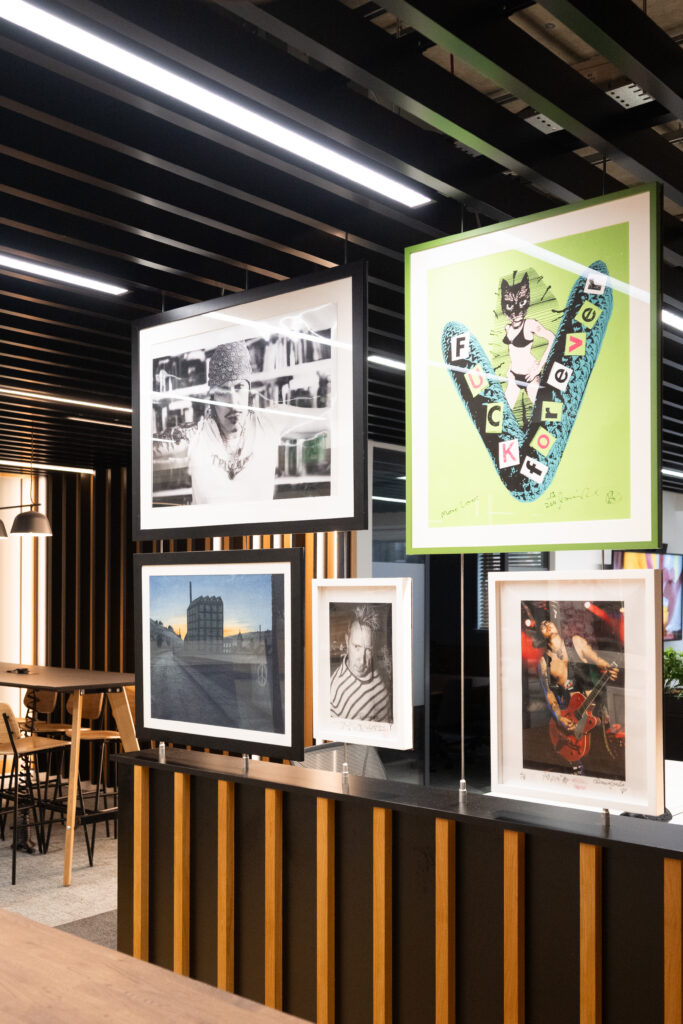
Music, and punk in particular, was another formative influence. The collection features photographs and portraits of figures including John Lydon, X-Ray Spex and Adam Ant. Together, they capture a visual language built around disruption, provocation and individuality.
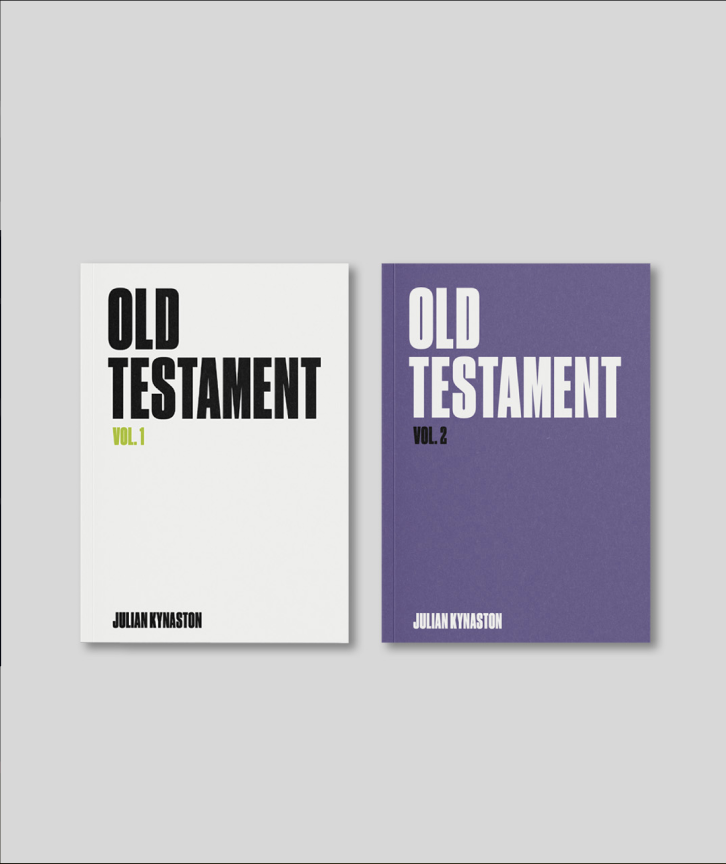
Adam Ant, whose real name is Stuart Leslie Goddard, was an object of genuine worship in the early 1980s. In Julian’s book Brand Warfare he explains the visceral feeling that can exist between a consumer and a brand whatever that feeling is Julian at the age of 13 years old felt it in full for Adam and the Ants.
Years later, that admiration became a real friendship. Adam became a regular presence around the Propaganda office during the Illamasqua years, and his influence on the brand was direct and significant. Several photographs by rock photographer Hannah Domagala capture him from that period.
The gallery also includes an X-Ray Spex poster produced as part of a fundraiser connected to a book and documentary about the band’s late singer, Poly Styrene. The project was led by her daughter, Celeste Bell, and the piece is a small contribution to that act of remembrance.
Then there is Jamie Reid, whose work helped define the graphic language of punk: defaced imagery, ransom-note typography and deliberate disruption. The collection holds three limited-edition pieces by Reid, best known for his work for the Sex Pistols.
People, purpose and provocation
The connections continue with Duncan Mosley, whose story is perhaps one of the most personal in the collection. Duncan and Julian have been friends since their schooldays. While Julian’s path ultimately led into branding and advertising, Duncan’s was always destined to run through art.
He went on to become a widely exhibited artist, as well as a lecturer and teacher, with his work shown across the world. The collection includes two works by him that have become considerably more valuable over the years. Their significance here, however, has little to do with their market value.
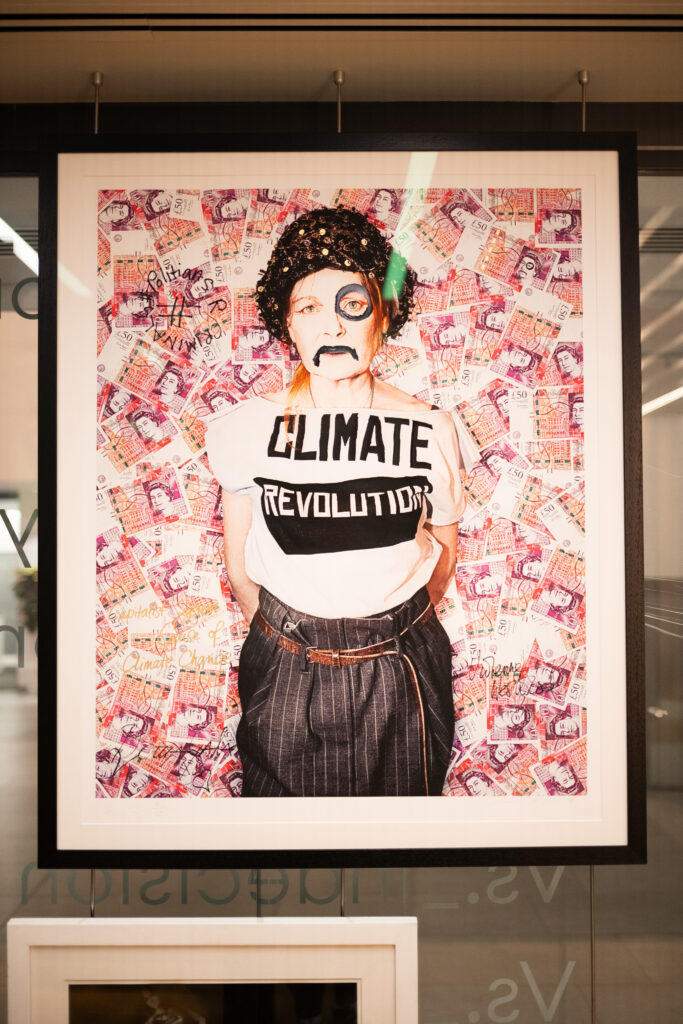
Other relationships in the collection grew out of the work itself. It was through Illamasqua that Propaganda came to know Joe Corré, and through him his mother, the late Dame Vivienne Westwood. Westwood was as renowned for championing causes as she was for fashion, a reminder of a time when business and purpose could be inseparable long before “purpose” became a fashionable branding term.
Her photographs in the gallery, again by Hannah Dumagala, capture something of that spirit. The catwalk images that close the collection were shot for a Westwood show, and their influence carried straight into Illamasqua.
Art, value and the unexpected
Not everything in the gallery takes itself seriously. A Banksy shark piece sits alongside two small portraits of Brigitte Bardot by the so-called “French Banksy”. Together, they explore the strange relationship between art, value, communication and the often invisible forces that allow something to become culturally – and commercially – valuable.
And then there is the final piece: a crow’s wing by Melinda Budatz. It doesn’t fit a theme, nor was it chosen to make a particular point. It is there simply because it was loved, and perhaps that is the best reason of all to collect art.
The gallery is now part of Propaganda itself. A collection to be experienced by our team, our clients and everyone who walks through our doors.
Ultimately, it isn’t really about art. It’s about the influences, instincts and obsessions behind the work – and the value of looking a little deeper.